
Support plans to help pupils with less complex SEND
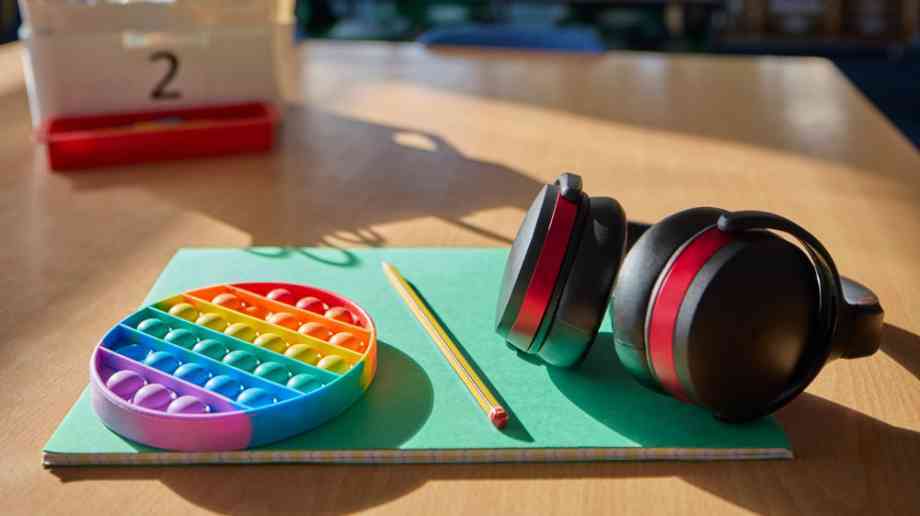
The government has outlined plans requiring SEND children with less complex needs to have an individual support plan (ISPs).
Pupils with only the “most complex needs” would then require education, health and care plans (EHCPs) by 2035.
The government says that every ISP will be easily available and will draw from a national framework of high-quality interventions that lead to the best education and life chances, personalised by the teachers and specialists who know children best.
It comes as the government launches its schools white paper to create an education system that meets every child's needs.
Other measures to improve the SEND system includes digitising both HHCPs and ISPs to reduce bureaucracy and increase transparency.
The school complaints process will be updated, with an independent SEND expert added to the complaints panel, where there are concerns around a school granting an ISP, or the content of the ISP.
The legal entitlement to support in an EHCP will be based on a specialist provision package, similar to clinical pathways used in health – improving the quality and consistency of support across the country.
Draft packages will be published later this year and designed with independent experts and parents, guiding provision in specialist places in mainstream and special schools – for example physical disability requiring personal care assistance or severe learning difficulty.
Parents of children in mainstream transitioning from an EHCP to an ISP as they move from primary to secondary will be able to choose the school they wish to move to.
Read moreLatest News

15/04/2026 - 09:37
The government has announced the locations of 19 new Technical Excellence Colleges, backed by £175 million investment in skills training in priority areas.

14/04/2026 - 10:11
New research suggests that eight out of 10 people (80%) back banning cars in streets around schools to encourage children to travel by healthier alternatives.

14/04/2026 - 09:47
The government is proposing that schools appoint a lead governor with designated responsibility for school food, as part of its reforms to school food standards.

13/04/2026 - 09:39
The government has set out plans to reform School Food Standards - the first time in over a decade - and is launching a nine-week consultation on the changes.
10/04/2026 - 11:16
The government is launching a new programme to support schools in areas of high knife crime and improve pupils’ safety on their way to and from school.