Research into effectiveness of teaching GCSEs over three years
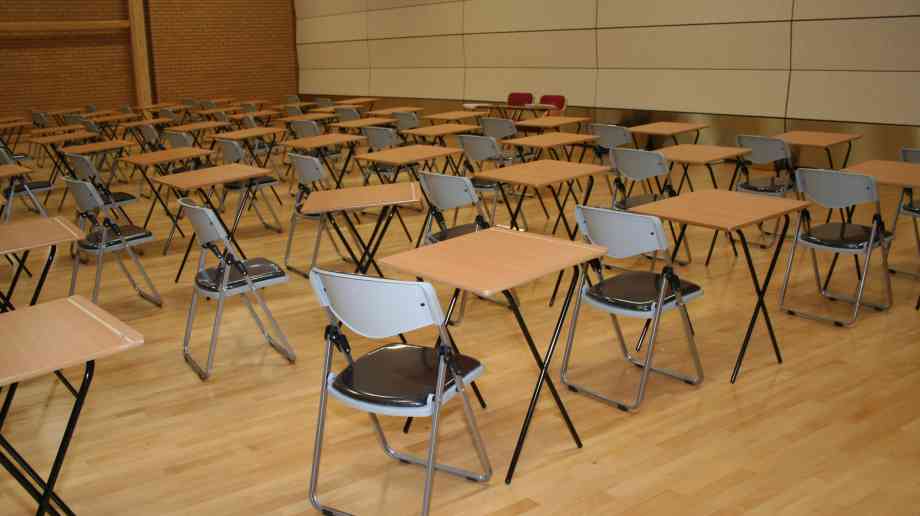
A new research project from the Education Endowment Foundation (EEF) and run by the National Foundation for Educational Research (NFER) will find out whether teaching GCSEs over three years is more effective than teaching them over two.
Traditionally the five years of secondary school have been split into a three-year Key Stage 3 and a two-year Key Stage 4. The first three years of secondary school typically involve a broader curriculum and prepare pupils for Key Stage 4 study, but don’t focus on content in the GCSE syllabus. The fourth and fifth years then cover a narrower curriculum of subjects (around 8-10) a pupil has chosen to take for GCSE.
Get Involved
Many schools now teach GCSEs over three years, starting in year 9 (ages 13 and 14). While this allows more time for pupils to cover GCSE content, there is a concern that it narrows the curriculum too early and means pupils may be less prepared for study at GCSE-level.
Schools take different approaches to organising a three-year Key Stage 4. Some schools simply take more time to cover GCSE content; others spend two years teaching GCSE content and a third year on revision and exam preparation.
The EEF's new project aims to understand what impact the decisions schools make about how to organise GCSE have on grades, as well the breadth of curriculum offered by schools.
Every eligible secondary school in England will be invited to take part in a survey to find out how they organise their Key Stage 4 curriculum, while hundreds of schools will be involved in the study.
Read moreLatest News

14/04/2026 - 10:11
New research suggests that eight out of 10 people (80%) back banning cars in streets around schools to encourage children to travel by healthier alternatives.

14/04/2026 - 09:47
The government is proposing that schools appoint a lead governor with designated responsibility for school food, as part of its reforms to school food standards.

13/04/2026 - 09:39
The government has set out plans to reform School Food Standards - the first time in over a decade - and is launching a nine-week consultation on the changes.

10/04/2026 - 11:16
The government is launching a new programme to support schools in areas of high knife crime and improve pupils’ safety on their way to and from school.

09/04/2026 - 10:27
A school food improvement programme is set to launch in Birmingham in 2026, working with schools to improve the quality and culture of food throughout the school day for children and young people across the city.