Haringey Council secures additional SEND places
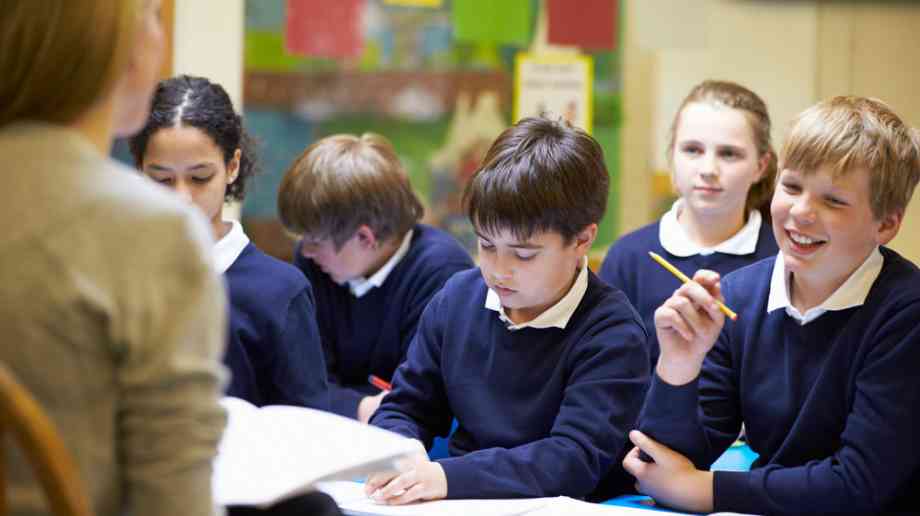
Almost 120 school places for pupils with special educational needs and disabilities (SEND) will be created in Haringey.
Six schools across the borough are set to accommodate these places as part of the council’s Safety Valve Programme.
The programme is designed to help local authorities tackle overspending on SEND services.
Introduction of this new scheme follows an extensive engagement exercise and will see primary and secondary schools provide specialist education provision for autistic children and young people and those students with social and emotional mental health (SEMH) and severe learning difficulties.
Haringey Council said they are working with partners such as the local Integrated Care Board, Whittington Health, Child and Adolescent Mental Health Services (CAMHS) and parent/carer representatives from SEND Power to deliver this vision.
Cabinet member for children, schools and families, Zena Brabazon, said th council is committed to "fostering an inclusive and nurturing environment for every child and young person across Haringey, regardless of their abilities or challenges."
“The capital funding secured as part of the wider Safety Valve Programme has enabled us to develop bespoke provision that will offer students the opportunity to have the very best start in their education and we are delighted to be part of this important initiative," she added.
She said the department has seen "first-hand" how integrating children with SEND into mainstream schools can provide a positive impact on their learning and development.
“From increased academic achievement, enhanced social skills to improved self-esteem, an inclusive setting creates a sense of belonging and acceptance, contributing to a more supportive and enriching educational experience for all students involved," Brabazon commented.
Read moreLatest News
22/04/2026 - 09:28
School food improvement programme Nourish is set to launch in Cumberland in 2026, working with schools to improve the quality and culture of food throughout the school day

21/04/2026 - 07:18
The government has announced a series of new measures aimed at strengthening freedom of speech and academic freedom across universities
20/04/2026 - 11:50
A creative careers programme which aims to inspire young people to explore careers across the creative industries has reached 210,000 young people since 2023.

20/04/2026 - 09:19
The Education Committee has published the government’s response to its report on improving the school estate and dealing with RAAC.

17/04/2026 - 10:24
The government is inviting EdTech companies and AI labs to develop AI tutoring tools, in collaboration with teachers, to ensure they support classroom practice.