GCSE results return to pre-pandemic levels

Top grades and standard passes for this year's GCSE results are back in line with those from 2019, the last time they were held before pandemic disruption.
640,000 young people received their GCSE results on Thursday 24 August, with more than 390,000 vocational qualifications also awarded.
The proportion of entries achieving top grades (grade 7 and above) and standard passes (grade 4) are consistent with 2019.
The data shows that there has been a 13.5 per cent increase in students taking computer science, when compared to 2019.
GCSE entries for modern foreign languages also increased 5.1 per cent compared to last year and 9.2 per cent compared to 2019.
There has been a 3.9 per cent increase in entries to subjects in the English Baccalaureate compared to last year and an 11.2 per cent increase compared to 2019.
To recognise the disruption pupils faced because of the pandemic, pupils did receive extra support with formulae and equation sheets for GCSE maths, physics, and combined science exams, so there were fewer things to remember going into the exam. Exams in the same subject were also spread out more meaning students had more time to revise between papers.
Schools minister, Nick Gibb said: "Pupils receiving their results today should feel very proud. I want to congratulate them all and give my thanks to the hardworking teaching staff that have helped them throughout this period.
"Today’s results are a testament to this government’s longstanding work to drive up standards and expanding opportunities for all in our education system.
"Pupils collecting results today can progress to one of many high-quality options including A levels, T Levels and apprenticeships."
Image by F1 Digitals from Pixabay
Read moreLatest News
22/04/2026 - 09:28
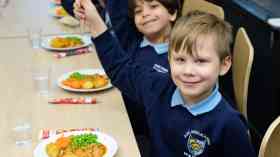
School food improvement programme Nourish is set to launch in Cumberland in 2026, working with schools to improve the quality and culture of food throughout the school day

21/04/2026 - 07:18
The government has announced a series of new measures aimed at strengthening freedom of speech and academic freedom across universities
20/04/2026 - 11:50
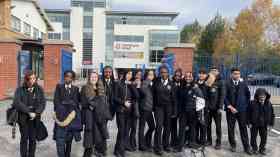
A creative careers programme which aims to inspire young people to explore careers across the creative industries has reached 210,000 young people since 2023.

20/04/2026 - 09:19
The Education Committee has published the government’s response to its report on improving the school estate and dealing with RAAC.

17/04/2026 - 10:24
The government is inviting EdTech companies and AI labs to develop AI tutoring tools, in collaboration with teachers, to ensure they support classroom practice.