
7,000 children in schools needing major building work
Around 700,000 children in England are studying in schools requiring major rebuilding or refurbishment, a new National Audit Office report on the Condition of school buildings says.
The public spending watchdog's report found that more than a third (24,000) of English school buildings are past their estimated initial design life. These buildings can normally continue to be used, but are generally more expensive to maintain and, on average, have poorer energy efficiency leading to higher running costs.
The report says DfE has assessed the possibility of a building collapse or failure causing death or injury as a ‘critical and very likely' risk since summer 2021. The report highlighted ongoing concerns with the use of reinforced autoclaved aerated concrete (RAAC) - a lightweight form of concrete prone to failure, used between the 1950s and mid-1990s. DfE has been considering the potential risk posed by RAAC since late 2018, following a school roof collapse.
DfE continues to build its understanding of where RAAC is used, including by collating questionnaire responses from schools, but does not currently have the information required to fully manage potential risks. At May 2023, 6,300 (42%) of the schools on which DfE has chosen to focus had completed work to establish if it was present. At that point, through questionnaire responses and wider work, DfE identified RAAC may be present in 572 schools. DfE has allocated £6 million for specialists to investigate 600 schools potentially affected by RAAC. By May 2023, 196 investigations had been conducted, with RAAC confirmed in 65 schools. In May 2023, DfE announced that, where RAAC is present in schools, it would provide funding to ensure that it does not pose an immediate risk.
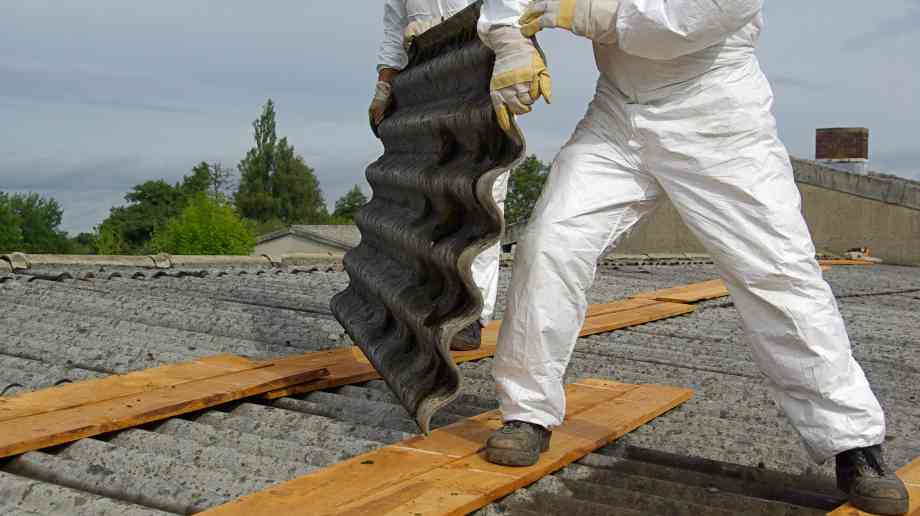
More positively, the report found that DfE had collected better evidence on the condition of the whole estate. This included identifying 13,800 system-built blocks - almost all containing asbestos. However, of these around 3,600 may be more susceptible to deterioration. In September 2022, DfE approved plans for a structural assessment of 200 system-built blocks to help better understand the risks - but none had been conducted as this report went to publication.
When looking at the Condition of school buildings, the NAO recommends that DfE, with support from government, determines by when, and through what means, it plans to have fully dealt with RAAC as a safety issue across the school estate so that it is no longer a critical risk.
Gareth Davies, Head of the NAO said: "At present, 700,000 pupils are learning in schools requiring major rebuilding or refurbishment. DfE has, since 2021, assessed the risk of school building failure or collapse as critical and very likely, but it has not been able to reduce this risk. More widely, it has an ambitious strategy for decarbonising the education estate but no plan for how it will achieve this or how much it is likely to cost.
"DfE is gathering some of the data it needs to effectively target its resources. It must now use this to improve its understanding of where schools are most at risk so it can balance addressing the most urgent risks while investing enough in maintenance, reducing carbon emissions, and climate change adaptation measures to achieve its objectives and secure longer-term value for money."
Latest News

23/04/2026 - 10:13
A survey of 1,105 teachers reveals many senior leaders reporting cuts to teaching assistants (71%), support staff (49%) and teaching staff (30%).

23/04/2026 - 09:30
A report from the Digital Poverty Alliance show that while digital tools are now embedded across school routines, access and usability remain deeply uneven.

22/04/2026 - 09:28
School food improvement programme Nourish is set to launch in Cumberland in 2026, working with schools to improve the quality and culture of food throughout the school day

21/04/2026 - 07:18
The government has announced a series of new measures aimed at strengthening freedom of speech and academic freedom across universities

20/04/2026 - 11:50
A creative careers programme which aims to inspire young people to explore careers across the creative industries has reached 210,000 young people since 2023.