Teachers underestimate how long children should be active for
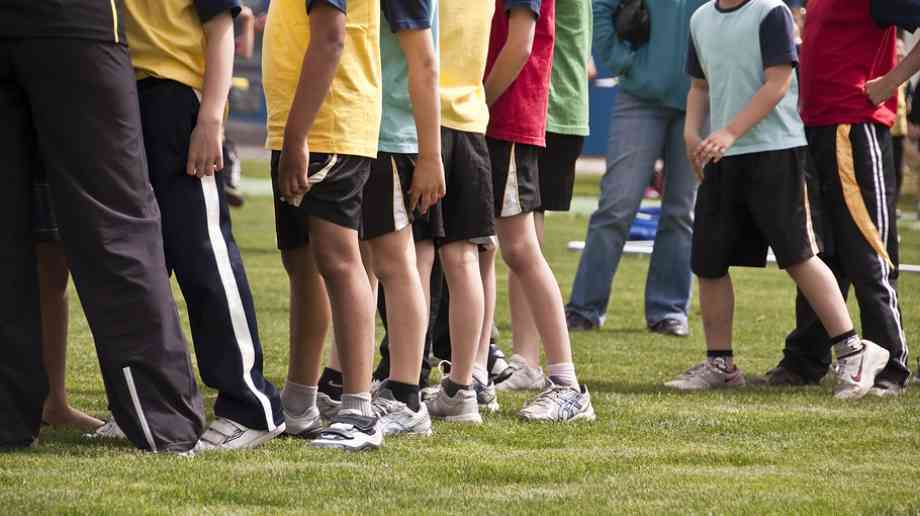
The UK Chief Medical Officer (CMO) recommends that children aged 5 to 18 should be highly active (with an elevated heart rate) for an average of at least 60 minutes a day, across the week in order to stay happy and healthy.
However, research by Teacher Tapp commissioned by the Youth Sport Trust shows that over half of teachers (52%) believe that children should be active for 30 minutes a day or less, and only 35% of teachers think that children should be active for 60 or more minutes a day. This highlights the need for more support and training for schools and teachers.
Similarly, YouGov research commissioned by the Youth Sport Trust reveals that parents are more likely to believe that children only need to be active for 30 minutes a day, less than half of the recommended guidance.
In a bid to drive up awareness of the Chief Medical Officers’ guidance, the charity has launched the annual National School Sports Week campaign, powered by Sports Direct, to get more children ‘playing for fun, playing for 60’ between 19 and 25 June.
The campaign will work with families, schools and across society to ensure that people are better informed about the benefits of sport and play for their children.
National School Sports Week is aiming to boost children’s activity levels by encouraging people and organisations to make a #PledgeToPlay for 60 minutes every day during this week.
Last year, schools taking part in National School Sports Week provided more than 650,000 young people with opportunities to be involved in PE, play and sport.
Chief Executive of the Youth Sport Trust, Alison Oliver MBE, said: “We know children are leading increasingly sedentary lives. Screen time is up, and time spent in nature is down – it’s no surprise that parents and teachers are increasingly concerned about children’s physical activity levels and the consequence of this in the classroom.
“Children’s formative years can influence their wellbeing, development, education outcomes and physical activity levels well into adulthood. There is a compelling evidence base for more play and sport in children’s lives. Pockets of innovative practice which are unlocking new ways to inspire young people to get active are emerging, but a priority has to be raising public awareness of the CMO guidance should be a priority alongside action to help schools and families respond.
“National School Sports Week is a great opportunity for us to engage with schools and families. We’re excited to share some brilliant ideas and guidance as well as uniting a movement of organisations to help amplify why this is important and what’s available at a local level. We are inviting the nation to #PledgeToPlay.
“Today we issue a rallying call. Daily physical activity, play and the development of physical literacy through physical education and school sport should be an integral part of every childhood, and we are really excited to work with Sports Direct to make play and sport more accessible for more young people and in turn help them lead happier and healthier lives.”
Read moreLatest News

23/04/2026 - 10:13
A survey of 1,105 teachers reveals many senior leaders reporting cuts to teaching assistants (71%), support staff (49%) and teaching staff (30%).

23/04/2026 - 09:30
A report from the Digital Poverty Alliance show that while digital tools are now embedded across school routines, access and usability remain deeply uneven.

22/04/2026 - 09:28
School food improvement programme Nourish is set to launch in Cumberland in 2026, working with schools to improve the quality and culture of food throughout the school day

21/04/2026 - 07:18
The government has announced a series of new measures aimed at strengthening freedom of speech and academic freedom across universities

20/04/2026 - 11:50
A creative careers programme which aims to inspire young people to explore careers across the creative industries has reached 210,000 young people since 2023.