
COVID-19 jab to be offered to at-risk young people over 12
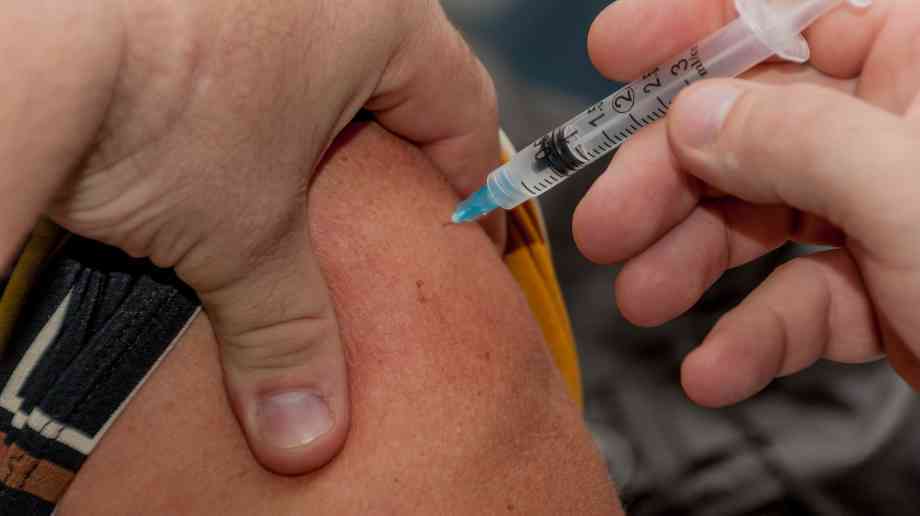
The Joint Committee on Vaccination and Immunisation (JCVI) is advising that that children at increased risk of serious COVID-19 disease are offered the Pfizer-BioNTech vaccine.
That includes children aged 12 to 15 with severe neurodisabilities, Down’s syndrome, immunosuppression and multiple or severe learning disabilities.
The JCVI also recommends that children and young people aged 12 to 17 who live with an immunosuppressed person should be offered the vaccine. This is to indirectly protect their immunosuppressed household contacts, who are at higher risk of serious disease from COVID-19 and may not generate a full immune response to vaccination.
Under existing advice, young people aged 16 to 17 with underlying health conditions which put them at higher risk of serious COVID-19 should have already been offered vaccination.
The JCVI is not currently advising routine vaccination of children outside of these groups, based on the current evidence.
As evidence shows that COVID-19 rarely causes severe disease in children without underlying health conditions, at this time the JCVI’s view is that the minimal health benefits of offering universal COVID-19 vaccination to children do not outweigh the potential risks.
Almost all children and young people are at very low risk from COVID-19. Symptoms, when seen, are typically mild and fewer than 30 children have died because of COVID-19 in the UK as of March 2021.
The Pfizer-BioNTech vaccine is the only vaccine that has been authorised for children in the UK, for those aged 12 or older. This followed a US clinical trial in around 1,000 children aged 12 to 15 that found side effects in this group were generally short lived and mild to moderate.
Real-world data on the safety of COVID-19 vaccines in children is currently limited, but there have been extremely rare reports of myocarditis (inflammation of the heart muscle) and pericarditis (inflammation of the membrane around the heart) following the use of the Pfizer-BioNTech and Moderna vaccines in millions of younger adults. Until more safety data is available and has been evaluated, a precautionary approach is preferred.
Read moreLatest News

24/04/2026 - 12:32
A survey by Save My Exams has found that 40% of students are regularly disrupted by noise at home.

23/04/2026 - 10:13
A survey of 1,105 teachers reveals many senior leaders reporting cuts to teaching assistants (71%), support staff (49%) and teaching staff (30%).

23/04/2026 - 09:30
A report from the Digital Poverty Alliance show that while digital tools are now embedded across school routines, access and usability remain deeply uneven.

22/04/2026 - 09:28
School food improvement programme Nourish is set to launch in Cumberland in 2026, working with schools to improve the quality and culture of food throughout the school day

21/04/2026 - 07:18
The government has announced a series of new measures aimed at strengthening freedom of speech and academic freedom across universities