Teachers will determine student grades this year
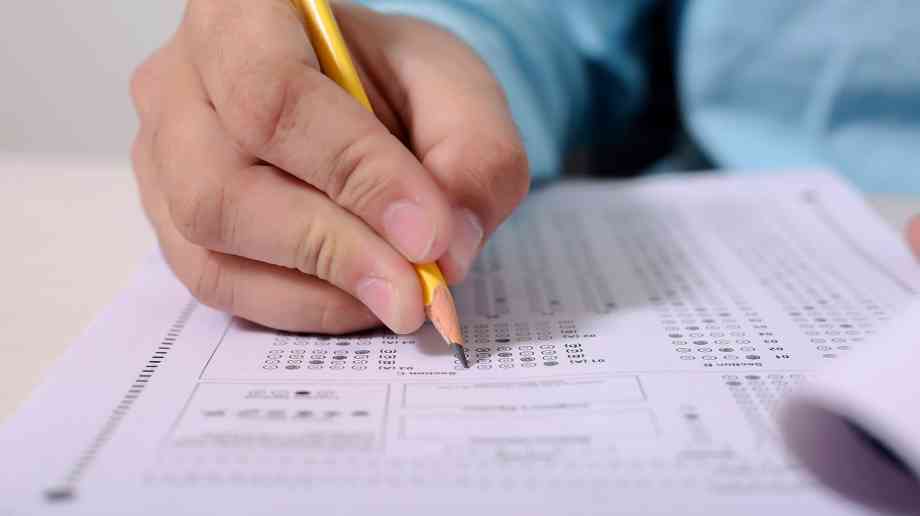
Teachers will determine student grades this year based only on what they have been taught, with no algorithm used.
Teachers will be able to draw on a range of evidence when determining grades, including the optional use of questions provided by exam boards, as well as mock exams, coursework, or other work completed, such as essays or in-class tests.
Teachers will submit grades to exam boards by 18 June, allowing as much teaching time as possible before teachers make their assessments.
Results days for GCSE, A level and some vocational qualifications will take place in the week of 9 August – moved forward from the week of the 23 August. These earlier dates provide additional time for appeals to be completed, so students reliant on those outcomes to achieve their university offer have the best chance of accessing a place.
To support teachers in making their judgements, exam boards will provide detailed guidance before the end of the spring term.
Students studying vocational and technical qualifications (VTQs) that are often taught alongside GCSEs and A levels on one or two year courses, and used for university or college places, will also receive grades assessed by teachers rather than sitting exams.
Exams and assessments will continue in VTQs where they are needed for students to demonstrate the necessary professional standard in an occupation.
Schools, colleges and other educational settings will conduct multiple checks – such as checking consistency of judgements across teachers and that the correct processes were followed - to ensure as much fairness as possible.
At the same time, exam boards will conduct their own checks, through a combination of random sampling and more targeted scrutiny where they identify cause for concern.
Every student will have the right to appeal their grade.
Read moreLatest News

27/04/2026 - 09:45
Forty-four per cent of education professionals are unfamiliar with the Terrorism (Protection of Premises) Act 2025, otherwise known as Martyn’s Law, according to new research.

24/04/2026 - 12:32
A survey by Save My Exams has found that 40% of students are regularly disrupted by noise at home.
23/04/2026 - 10:13
A survey of 1,105 teachers reveals many senior leaders reporting cuts to teaching assistants (71%), support staff (49%) and teaching staff (30%).

23/04/2026 - 09:30
A report from the Digital Poverty Alliance show that while digital tools are now embedded across school routines, access and usability remain deeply uneven.

22/04/2026 - 09:28
School food improvement programme Nourish is set to launch in Cumberland in 2026, working with schools to improve the quality and culture of food throughout the school day