
Variation in the quality of support from school nurses
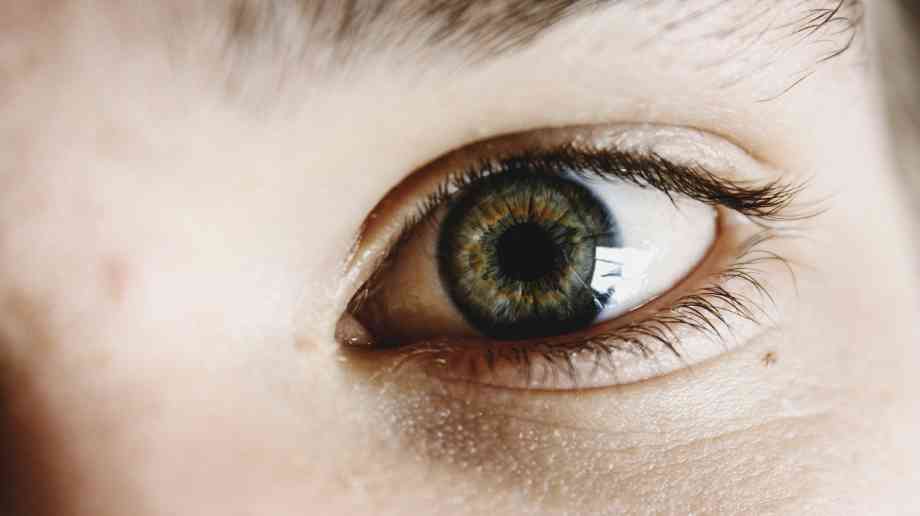
Schools have an important role to play in supporting children’s mental health, but they cannot do it alone, a report by Ofsted, Care Quality Commission (CQC), HMI Constabulary, Fire & Rescue Services (HMICFRS) and HMI Probation finds.
Where schools are supported well by partners, children get specialist help when they need it. But there is wide variation in the quality of support that children receive from school nurses. Nursing services in half of the areas visited did not have the systems in place nor the capacity to identify children with mental health problems, meaning that opportunities to spot issues early were missed.
The report is based on inspections carried out between September 2019 and February 2020 – before the COVID-19 pandemic.
The report finds that restructures of child and adolescent mental health services (CAMHS), along with a concerted effort by agencies to work together, has broadened the help available for a range of mental health needs. This has also led to more timely identification, referrals and support.
In many cases, professionals are knowledgeable and can recognise the signs of mental ill health. A single point of access for specialist advice on mental health is helping professionals respond more effectively, as are co-located services and improved involvement of voluntary and community sector organisations.
But although much progress has been achieved, this good work is not universal. Some agencies need to get better at identifying children suffering from mental ill health. In some cases, professionals are still focusing on presenting issues, and not looking beyond them for possible risks of mental ill health. This applies to some staff in emergency departments, GPs, police and social workers, even in circumstances where a child has self-harmed or behaves in a way that indicates they have suffered trauma. And too often, a child’s mental health problem is first picked up when they enter the youth justice system.
Many police forces in areas visited have well-developed training and support for officers to recognise and help children with mental ill health, but this is not consistent in all areas. Inspectors saw too many examples of children being kept in custody overnight and who were not helped to get the support that they needed with their mental health.
Despite improvements in partnership working being made in some areas, the report finds that specialist CAMHS are still limited in some areas and resources are overstretched. Some of the most vulnerable children have to wait far too long for their mental health needs to be identified and to get access to specialist services. This includes children with autism, ADHD, some children on child in need and child protection plans, and children in care.
Latest News

28/04/2026 - 09:56
A new survey by the British Council has revealed that more than two thirds (67%) of primary school age children say they would like to spend more time at school learning a language.
28/04/2026 - 09:38
A survey by school leaders’ union NAHT has found that 51% of its members had buildings or areas that were out of use or not fit for purpose.

27/04/2026 - 09:45
Forty-four per cent of education professionals are unfamiliar with the Terrorism (Protection of Premises) Act 2025, otherwise known as Martyn’s Law, according to new research.

24/04/2026 - 12:32
A survey by Save My Exams has found that 40% of students are regularly disrupted by noise at home.

23/04/2026 - 10:13
A survey of 1,105 teachers reveals many senior leaders reporting cuts to teaching assistants (71%), support staff (49%) and teaching staff (30%).