
Schools should have no idling zones, says Public Health England
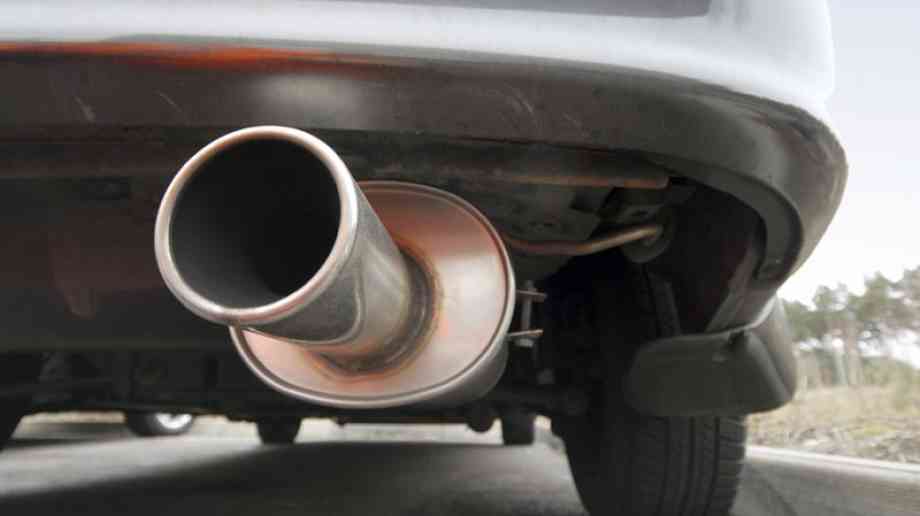
Public Health England (PHE) has published a review of evidence on how to improve air quality, giving recommendations to local and national government on actions they can take.
Part of the review focuses on children, saying that children are particularly vulnerable to the effects of air pollution, and urges for action to be taken to reduce air pollution in the vicinity of schools.
It recommends that no-idling zones are implemented outside schools, for it to be made easier for children to walk or cycle to school, and to increase public awareness in relation to air pollution and children.
Professor Paul Cosford, Director of Health Protection and Medical Director at PHE, said: "We recommend that at a local level, any new policy or programme of work which affects air pollution should aim to deliver an overall benefit to the public’s health.
"So transport and urban planners will need to work together, with others involved in air pollution to ensure that new initiatives have a positive impact.
"Decision makers should carefully design policies, to make sure that the poorest in society are protected against the financial implications of new schemes."
Read more
Latest News

27/04/2026 - 09:45
Forty-four per cent of education professionals are unfamiliar with the Terrorism (Protection of Premises) Act 2025, otherwise known as Martyn’s Law, according to new research.

24/04/2026 - 12:32
A survey by Save My Exams has found that 40% of students are regularly disrupted by noise at home.

23/04/2026 - 10:13
A survey of 1,105 teachers reveals many senior leaders reporting cuts to teaching assistants (71%), support staff (49%) and teaching staff (30%).

23/04/2026 - 09:30
A report from the Digital Poverty Alliance show that while digital tools are now embedded across school routines, access and usability remain deeply uneven.

22/04/2026 - 09:28
School food improvement programme Nourish is set to launch in Cumberland in 2026, working with schools to improve the quality and culture of food throughout the school day