
West Dunbartonshire teachers stage 48 hour strike
Secondary teachers in West Dunbartonshire, Scotland have begun a a two-day strike amid a dispute over cuts to senior posts.
The row involves West Dunbartonshire council’s move to cut the number of principal teachers of individual subjects in the area’s five secondary schools and replace them with ‘faculty heads’ whose roles cover a range of subjects.
Members of the Educational Institute of Scotland (EIS) have already staged strikes in January and February over the issue. A third set of strikes were called off earlier after the council revised its offer, however, the union said it had been ‘overwhelmingly’ rejected.
Larry Flanagan, EIS general secretary, said: “EIS members in West Dunbartonshire are determined to stand firm against the authority’s plans to cut principal teacher posts in secondary schools.
“These changes would have a detrimental impact on the operation of secondary school departments, and a negative effect on learning and teaching activity in secondary schools.
“The EIS will have picket lines in place at all West Dunbartonshire secondary schools and will be holding a campaign rally today at Clydebank Town Hall, which we have invited representatives of all main political parties to attend.”
Read moreLatest News

01/05/2026 - 09:15
The resources support schools in reviewing their admissions policies, in response to evidence of social segregation in high performing state schools.

30/04/2026 - 09:51
School leaders’ union NAHT has released new analysis of Ofsted’s inspections under its new framework.

30/04/2026 - 09:38
A call for evidence has been launched to help shape the findings and recommendations of an independent review into antisemitism in schools.
30/04/2026 - 09:07
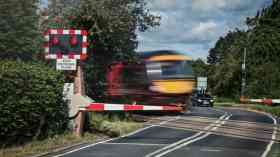
The hard-hitting films use realistic scenarios and visual effects to show the consequences of contact with live electrical equipment on the railway.

29/04/2026 - 10:03
A study from the Education Endowment Foundation (EEF), conducted by the UCL Institute for Education, examined the impact of student grouping in maths.