Sixty per cent of classrooms have no new book budget
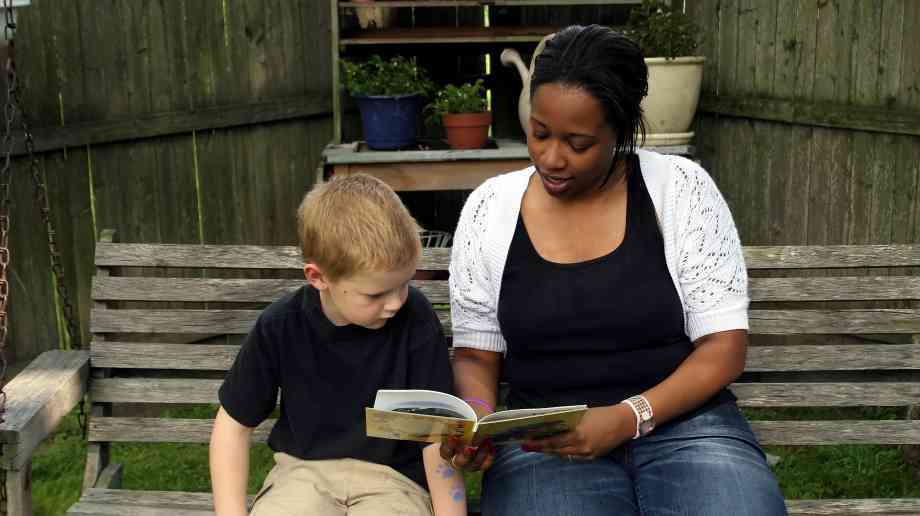
New research from the Centre for Literacy in Primary Education (CLPE) brings to light the urgent need to prioritise reading for pleasure and give children access to a wider range of books, following the universal disruption to education by the Covid-19 pandemic.
The CLPE Reading for Pleasure 2022 report highlights a number of urgent challenges schools are facing in helping children discover a love for reading. For example, 25 per cent of schools have fewer books now than before the pandemic, while more than 60 per cent of classrooms have no access to a budget for new books.
It is falling to teachers to plug the gap themselves, with almost two in five (38 per cent) of teachers in England providing new books for their pupils out of their own pocket, as historically small school budgets continue to be constrained post-pandemic. 17 per cent of teachers rely on donations in order to update their book stock, while 8 per cent say they never get new books at all in their classrooms.
Nearly half the teachers (48 per cent) questioned said they are unable to change the books in their classroom during the school year, meaning the opportunity for children to discover new books and explore their tastes and interests is severely limited.
While the majority of primary school teachers questioned (95 per cent) said they have a book corner in their classrooms, over half of these (57 per cent) contain fewer than 100 books. This rises to 84 per cent of classrooms in early years foundation stage (pre-school and Reception) and 73 per cent of classrooms in Year 1.
This is particularly damaging for children whose circumstances mean that they do not have access to books at home and whose reading progress is likely to have been affected adversely by lockdowns. Schools need a wide selection of books to support children to discover and develop a love of reading.
This comes at a time when The Department for Education's own data shows that over a quarter of 11-year-olds were not reaching the expected standard in reading before the pandemic, and The Centre for Education and Youth’s research – alongside that of other organisations – shows that the pandemic has likely made this worse.
Latest News

24/04/2026 - 12:32
A survey by Save My Exams has found that 40% of students are regularly disrupted by noise at home.

23/04/2026 - 10:13
A survey of 1,105 teachers reveals many senior leaders reporting cuts to teaching assistants (71%), support staff (49%) and teaching staff (30%).

23/04/2026 - 09:30
A report from the Digital Poverty Alliance show that while digital tools are now embedded across school routines, access and usability remain deeply uneven.
22/04/2026 - 09:28
School food improvement programme Nourish is set to launch in Cumberland in 2026, working with schools to improve the quality and culture of food throughout the school day

21/04/2026 - 07:18
The government has announced a series of new measures aimed at strengthening freedom of speech and academic freedom across universities