New music curriculum published by DfE
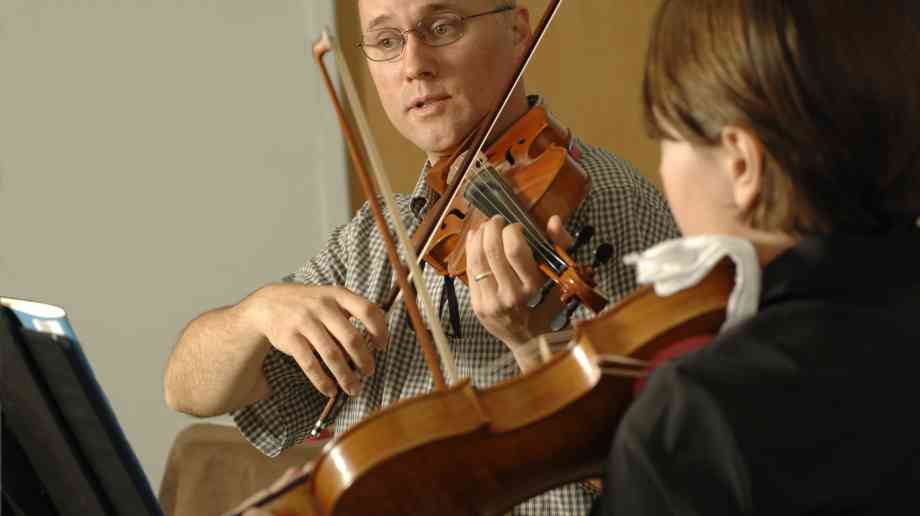
The Department for Education has published a new music curriculum for Key Stages 1, 2 and 3, where pupils will learn about the great composers of the world and develop their knowledge and skills in reading and writing music. They will be taught about a range of genres and styles covering historically-important composers such as Vivaldi and Scott Joplin, world renowned pieces like Puccini’s Nessun Dorma, and be introduced to instruments and singing from Year 1.
The Model Music Curriculum has been developed by a panel of 15 music education specialists – teachers, education leaders and musicians from across the UK – and led by Baroness Fleet, Veronica Wadley. The Associated Board of the Royal Schools of Music (ABRSM) was contracted by the Department for Education to draft the Model Music Curriculum under the guidance of the panel.
The department has also committed £79 million in the 2021/22 financial year for Music Education Hubs which provide pupils with instruments to play in class, and £1 million for charities which teach pupils about different styles of music.
School Standards Minister Nick Gibb said: "Music is a hugely important part of most people’s lives. This is especially true during the lockdown period, in which music has been used to inspire, soothe and energise us.
"A rich variety of music should be part of the daily life of every school. We want all schools to have a rigorous and broad music curriculum, that inspires their pupils to love music, and stands alongside high levels of academic attainment.
"I know music lessons will have been challenging during remote education, and while there is rightly a focus on academic catch-up, it is also important for children and young people experience music, sport and arts for their wider development.
"After the most difficult of years, it’s time for a musical renaissance across England’s schools and I hope this will inspire a new generation of musicians."
Pupils will be encouraged to listen to classical music such as Beethoven and Tchaikovsky, Rock n Roll songs from Little Richard and Elvis Presley, jazz from Nina Simone and modern classics such as Queen.
The plan aims to support all pupils in their musical progression from Year 1 – where they’ll be introduced to beat, rhythm and pitch - through to secondary school, where pupils will be introduced to more technical aspects of music like quavers, treble clefs and staccato and legato.
At Key Stage 1 and 2, listening to a variety of music styles and sounds is designed to broaden pupils’ musical horizons and encourage them to be open minded about the music they listen to. At Key Stage 3, pupils will have the opportunity to discuss and interpret the musical meaning behind songs, and develop their creativity through improvisation and composition.
As well as ensuring all pupils can benefit from knowledge rich and diverse lessons, the Model Music Curriculum is expected to make it easier for teachers to plan lessons and help to reduce workload by providing a structured outline of what can be taught in each year group. Case studies for each year of Key Stages 1 and 2 are provided as part of the plan to clearly demonstrate how teachers can combine knowledge, skills and understanding in a practical way.
Read more
Latest News

27/04/2026 - 09:45
Forty-four per cent of education professionals are unfamiliar with the Terrorism (Protection of Premises) Act 2025, otherwise known as Martyn’s Law, according to new research.

24/04/2026 - 12:32
A survey by Save My Exams has found that 40% of students are regularly disrupted by noise at home.

23/04/2026 - 10:13
A survey of 1,105 teachers reveals many senior leaders reporting cuts to teaching assistants (71%), support staff (49%) and teaching staff (30%).

23/04/2026 - 09:30
A report from the Digital Poverty Alliance show that while digital tools are now embedded across school routines, access and usability remain deeply uneven.
22/04/2026 - 09:28
School food improvement programme Nourish is set to launch in Cumberland in 2026, working with schools to improve the quality and culture of food throughout the school day