
LACA, Public Health England (PHE) and the Department for Education (DfE) have created updated guidance on lunch food parcels, which will allow parents or carers to prepare healthy lunches for children at home.
DfE announced the free school meal parcels will continue to be distributed after the February half term to help vulnerable pupils.
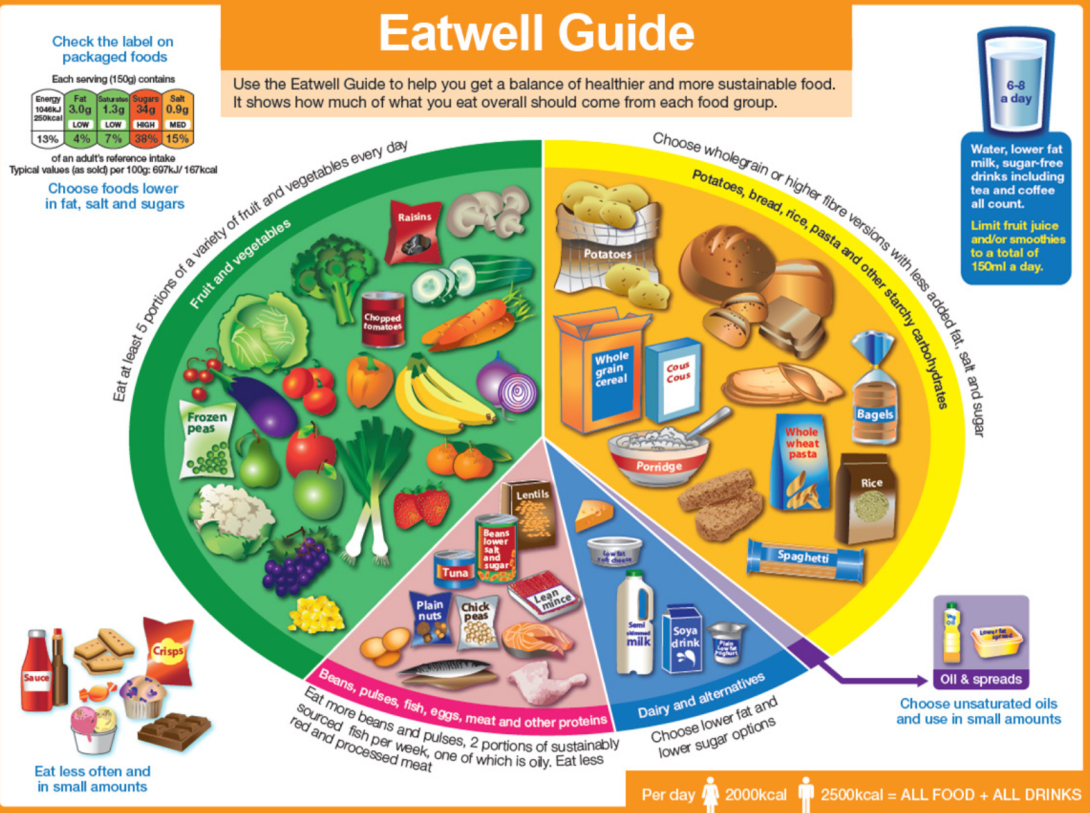
The food parcels should contain a balance of items from the different food groups. Each parcel should include starchy foods, such as bread, potatoes and pasta; fruit and vegetables to provide at least one of your five-a-day; protein foods such as beans, pulses, fish, eggs, meat and other non-dairy products. Finally, they should include dairy foods such as milk, cheese and yoghurt.
The food parcels should not contain any items restricted under the School Food Standards, such as chocolate, crisps or confectionary. Parcels should cater for all children of school age who require special diets (allergies, vegan or religious diets).
On 14 January 2021 the DfE agreed to fund an additional £3.50 per week to children who are eligible for free school meals.