
04/02/2022 - 09:43
The number of children with mental health problems seen by social workers has surged by a quarter since before the coronavirus pandemic, amounting to nearly 1,500 kids presenting to councils every week.

03/02/2022 - 11:58
Following a public consultation on how the Department will prioritise schools for the School Rebuilding Programme, up to 300 schools, rather than the usual 50, will be selected for participation in the programme later this year.
03/02/2022 - 10:47
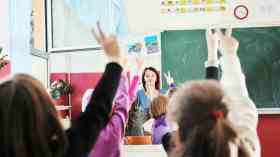
A consultation on revised behaviour guidance has unveiled plans to give schools greater support on behaviour so headteachers can create calm, orderly, safe environments for children.

03/02/2022 - 10:20
The government will go ahead with the creation of a register for children not in school at the earliest available legislative opportunity.
02/02/2022 - 16:02
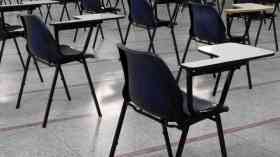
The Scottish government has announced it still intends to hold National 5, Higher and Advanced Higher exams this Spring, but that support measures would be put in place to account for disruption caused by the pandemic.

02/02/2022 - 14:14
A new survey ahead of the inaugural National School Governors’ Awareness Day on 22 February has gathered the views from governors on the challenges and opportunities experienced during the pandemic.
02/02/2022 - 09:26
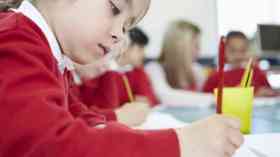
The White Paper outlines a mission that in England, 90% of children will achieve the expected standard in reading, writing and maths by 2030.
01/02/2022 - 10:12
Children and young people with special educational needs and disabilities (SEND), their families and caregivers will be better supported with respite care and internship opportunities.
01/02/2022 - 09:42
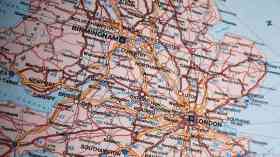
The DfE is set to identify 55 areas of the country where school outcomes are the weakest, to target investment, support and action that help children from all backgrounds and areas to succeed at the very highest levels.
31/01/2022 - 09:58
A new EPI paper argues that solely focusing on pupil progress and attainment can lead to exclusionary practices, such as not admitting vulnerable children, or “off-rolling” them.

28/01/2022 - 10:00
New data on the government’s free period product scheme shows 94% take-up from secondary schools.

28/01/2022 - 09:26
The Royal Institute of British Architects (RIBA) has released a new film and curriculum-linked learning resources for teachers to use for free with their Key Stage 3 to 4 students (aged 13-16), exploring climate change and the built environment.