

Like most of the UK’s buildings, schools were designed to stay warm in cold weather, but the measures used to achieve this mean they now suffer from serious overheating in summer. Kevin Morrissey, technical director at the Building Engineering Services Association (BESA), explores the issue
Although there have been advances in classroom ventilation technology, many UK classrooms still rely heavily on natural and hybrid ventilation, and as the last few months have shown all too clearly, ventilation does not equal cooling, and on its own is proving increasingly ineffective. Faced with soaring temperatures, during the June and July heatwaves, and classrooms frequently exceeding 40°C, more than 1,000 schools took the decision to close.
As with other working environments, there is currently no legal maximum temperature for UK classrooms, but the National Education Union has called for an upper limit of 26°C. This is designed to maintain comfort and help student concentration and cognitive performance, which has been shown to drop significantly when temperatures go beyond 24°C.
Children and young people are also more susceptible to the effects of extreme heat, which not only impacts their health but also their behaviour. So, with government forecasting that future UK summertime temperatures will go even higher, becoming between 1.3°C and 5.1°C warmer over the coming decades, something clearly needs to be done to help our schools adapt to the changing climate.
Unprepared
Following last year’s reports by the British Medical Journal that the UK is unprepared for rising deaths and health disruption, they have now identified that many schools lack the basic requirements to protect children from exposure to high temperatures.
The UK also has an historic antipathy towards air conditioning which is still regarded as something of a luxury because many still believe we live in a cold country. Recent summers suggest otherwise and, while prominent figures like London Mayor Sadiq Khan, are still calling for better ventilation rather than cooling, it may be time to recognise the limitations of this approach against the backdrop of climate change, rising temperatures, and the growing impact of air and noise pollution.
So, with the transformation of our climate and environment already locked in, what needs to change and what can schools do in the meantime?
The Department for Education (DfE) produced Building Bulletin 101 (BB101) to help schools manage their ventilation to limit overheating while also improving air quality and humidity levels but without resorting to what it describes as “energy intensive” air conditioning.
BB101 does not set strict temperature
levels but uses “dynamic thermal modelling” to assess acceptable comfort conditions and states that classrooms must not exceed these levels by 1°C or more for more than 40 occupied hours.
It provides advice on controlling solar gain using external shading fins, or window shutters and advocates the use of night-time purge ventilation systems that allow evening air to pass over the building’s exposed thermal mass to cool it down for the next school day.
BB101 also recommends optimising airflows through windows by adding high-level and low-level vents to increase natural ventilation and the strategic use of mechanical or mixed-mode (hybrid) ventilation systems that automatically boost airflow rates.
This also has important implications for making our buildings more infection resilient to reduce the impact of viruses, flu, and colds – a particular issue for schools where infections move quickly around tightly packed classrooms.
In recent years the need to assess and mitigate the risk of overheating in residential buildings has been recognised in the Building Regulations with the introduction of Approved Document Part O. While the overheating risk in other buildings such as schools, is not regulated in this way, many of the passive/lower energy measures Part O promotes are transferrable, such as solar shading and solar control glazing.
That said this summer’s record demand for domestic air conditioning demonstrates that passive measures have their limits and mechanical cooling/air conditioning’s traditional role as the ‘last resort’ may no longer be sustainable.
Practical constraints
As well as the natural limiting factors impacting the efficacy of ventilation on its own to combat the effects of extreme heat, schools face several practical constraints. These include issues around security, noise and pollution, especially in urban environments where external air quality can be a big problem.
Whilst low and no cost options, such as blinds or local fans have traditionally provided some relief on hotter days, the increasing frequency and intensity of extreme heat events mean they are becoming less effective. Whilst drawn blinds may limit glare from the summer sun, they are less effective in providing thermal control against intense solar radiation.
Similarly, whilst air movement from local fans can aid comfort, if the background air temperature is already elevated the cooling effect they provide is substantially reduced and may even increase body temperature.
Although air conditioning can provide a solution, the reality is that its widescale deployment across school estates is some way off. The capital and operational costs associated with installing and running air conditioning, along with the practical impacts of providing space and power supplies for the equipment and managing the noise from it may all prove to be barriers to its adoption.
In addition, the use of “split” air conditioning systems is incompatible with existing natural ventilation strategies. Trying to cool the air in a room with the windows open is neither operationally or commercially viable, whilst limiting natural ventilation will reduce indoor air quality and it increases the likelihood of viral transmission.
Behavioural and cultural change
Climate adaption in schools may, therefore, require some behavioural and cultural changes. In the short-term children could be relocated to cooler, north facing and shaded parts of the campus, where space, curriculum, and safeguarding allow. However, a more ‘European’ approach may also be needed.
Many traditionally warmer European countries have set their school hours to reduce the impact of extreme heat. They often have earlier start times, longer lunch breaks, Saturday morning school, earlier/longer summer holidays. These could provide longer-term solutions with a lower environmental impact, but would parents, teaching staff and education unions be prepared to compromise like this to avoid the cost and climate impact of the alternatives?
We also need to look at more physical adjustments to address the underlying problem such as improving shading by tree planting or adding more permanent awnings and external shutters to buildings. Ideally schools should also be looking to upgrade building fabric by improving roof insulation and reducing solar gain through windows by upgrading the glazing and adding thermal films.
Installation and running costs are the biggest barriers for many schools, but there are ways to deal with this. For example, the addition of solar panels would generate electricity – particularly in summer – that could help to pay for heat pumps which provide both heating in winter and cooling in summer at far greater efficiencies than ‘legacy’ boiler systems. This could have a positive impact on the overall energy costs of the school. Solar panels don’t need to be limited to existing roofs, they can be integrated with fixed awnings attached to buildings or stand alone, providing shading to the building and outdoors recreation space.
Competent contractors
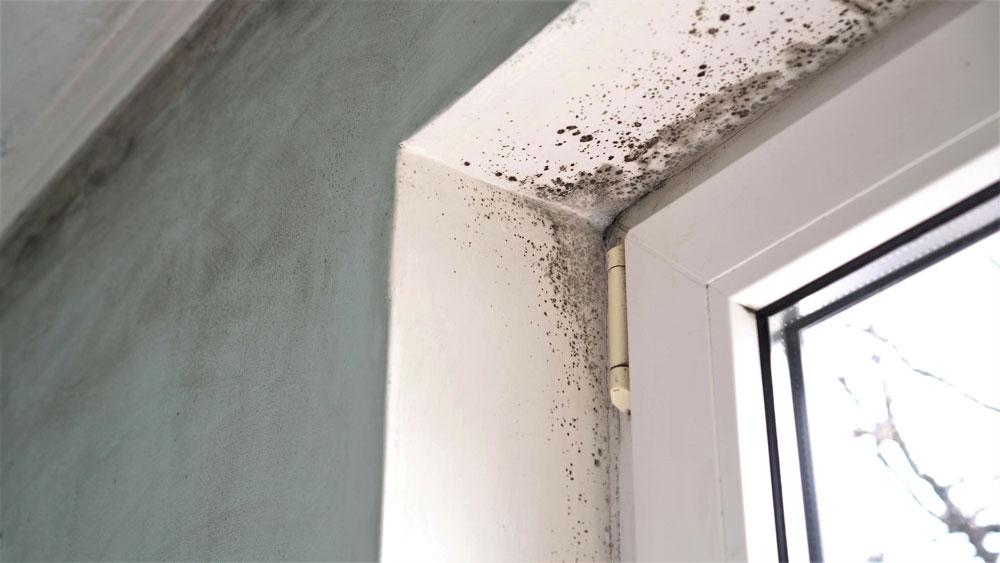
Note of caution, though: Mechanical ventilation and air conditioning must be properly commissioned, operated and maintained. Without this, overheating problems may persist and other problems like damp and mould, may occur. Maintaining healthy and comfortable environments requires input from competent contractors, as well as education of staff and students to use the equipment correctly over its operating lifetime.
Engaging competent personnel and certified firms to commission and regularly maintain is key to them operating as intended, but, smart, easy to use controls with clear instructions to staff on their use are just as important. BESA members have reported where this hasn’t happened in the past, with controls and sensors covered by furniture and displays, equipment turned off or worse still, different system fighting against each other.
Many modern schools need to be flexible spaces, providing facilities for their communities outside the normal school day, so systems and their controls need to be capable of adapting to different occupancy times without impacting on their core day-to-day operation.
The impact on schools should be seen as a top priority because of the short and long-term impacts on children. Excessive heat directly affects their health and wellbeing in the present and has unknowable long-term implications for their future by impairing learning and development.
The first step must be accepting the scale and seriousness of the problem. Only then will the education sector be able to implement immediate short-term strategies while working with the building engineering sector to deliver longer-term answers including cooling technologies that are already widely in use in other parts of the built environment.
BESA is hosting an event looking in-depth at a full range of solutions to building overheating as part of this year’s World Ventilation Day at the Building Centre, London on Thursday, 5 November. Registration is now open via the BESA website.