

Drawing on five years of experience from its Nourish programme, School Food Matters shares why current school food standards are falling short, what a review of the standards could mean, and how schools can strengthen their own food provision right now
England already has mandatory school food standards, enshrined in law. On paper, this should mean that every child, in every school, has access to good-quality food during the school day. In practice, the picture is far more uneven.
Across the country, there are schools serving meals that are nutritious, sustainable and well-loved by children. But there are also many where provision does not consistently meet the standards’ intent. The variation is not due to a lack of commitment from catering teams or school staff. Rather, it reflects a system that has relied too heavily on good will, while underestimating the pressures schools are under and the importance of oversight.
One of the most significant challenges is that, in England, there is currently no consistent mechanism for checking whether schools are complying with the standards. As the School Food Plan outlined, the principle is simple: what gets measured gets done. When no one is regularly checking what is on plates, school food can slip down the priority list amid competing demands on time and budgets.
Funding pressures compound this. The price per meal in England remains tight, particularly for small schools without the economies of scale of larger settings. Contract caterers and in-house teams work hard within these constraints but cost pressures inevitably shape what is possible. At the same time, responsibility for compliance often sits with governing boards, yet awareness of this duty can be low.
The result is a patchy system, where standards exist but the support, visibility and accountability needed to make them a consistent reality for children are not yet embedded.
What’s next for the school food standards?
School food is firmly on the political agenda. Government commitments to universal free primary breakfast clubs, expanded free school meals to families receiving Universal Credit and a review of the decade-old school food standards signal a growing recognition that food is central to children’s health, wellbeing and ability to learn.
The forthcoming review of the standards presents a key opportunity. Updating the standards to bring them in line with the latest nutritional guidance is crucial, particularly in light of changes in the food environment over the past decade.
Updating the standards alone will not be enough. The five-year independent evaluation of the Nourish programme, delivered by School Food Matters and informed by years of working to support schools to transform their school food environments, suggests that the real shift must come in how standards are supported and embedded.
“We have a real opportunity to raise the bar for school food”, says School Food Matters CEO Stephanie Slater MBE. “By combining clear standards with the right support and leadership, every school can make nutritious, delicious and sustainable meals a consistent reality for every child.”
Firstly, robust monitoring and accountability need to be part of the picture. This can be done in a supportive practical way, rather than a punitive one. It can be as straightforward as ensuring that senior leaders and governors regularly review provision, spend time in the dining hall and talk to children and young people about their experience of school food.
External oversight could be achieved through simple measures, such as asking senior leadership a single question about how the standards are being applied during Ofsted inspections, or implementing the Food Standards Agency pilot which found food safety officers can support checks on school food provision. There are several options to ensure that standards are taken seriously and consistently applied.
Secondly, schools need practical support, not just expectations. The Nourish evaluation shows that clear standards lead to meaningful improvements when schools are supported by expert guidance, senior leadership engagement and consistent follow-up. In busy, resource-constrained settings, knowing what to do is only part of the challenge; having time, structure and encouragement to do it is equally vital.
Finally, food must be seen as more than a catering issue. When it is treated as a whole-school priority – linked to wellbeing, behaviour, learning and the wider school culture – its importance becomes clearer. This shift in perspective is just as important as any revision to the standards themselves.
Practical steps for improving school food
While national policy evolves, schools do not have to wait to make improvements. The Nourish programme, which has worked with more than 100 schools and over 35,000 children and young people across London, is expanding into Birmingham, Cumberland and Hertfordshire this year and takes with it several practical lessons.
One of the strongest findings from the evaluation is the importance of leadership. Where senior leaders are visibly engaged – setting expectations, allocating time and championing food as part of the school’s ethos – change is more likely to stick. This might involve reviewing the school food policy, ensuring it reflects current standards and the school’s ambitions, and making food a standing agenda item at governors’ meetings.
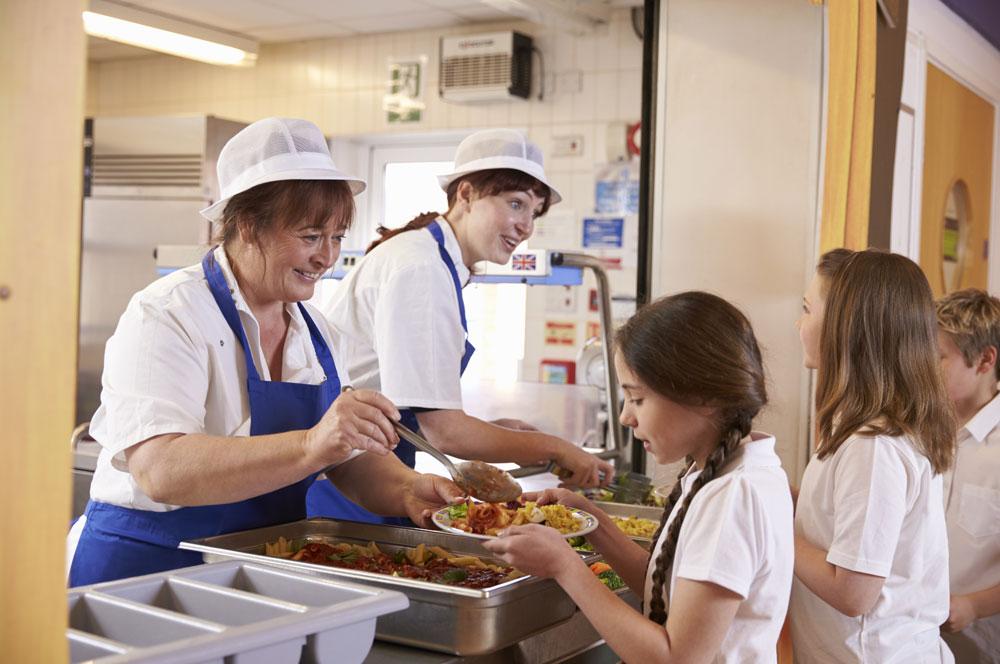
The dining environment itself is another powerful lever. Schools often assume that improving food means renegotiating contracts or overhauling menus. While these can be part of the picture, meaningful change can also come from lower-cost adjustments. How the dining space feels, the flow of service, how adults talk about food and whether children have enough time to eat all shape their experiences and choices. Small shifts in these areas can make the lunch break calmer and more positive.
Engaging children, young people and families also matters. Children are perceptive and articulate about what works and what does not. Creating opportunities for pupil voice to be heard through pupil councils, tastings or simple conversations can surface practical ideas and build a sense of shared ownership.
Schools in the Nourish programme have also seen the value of involving parents in supportive, inclusive ways. This is especially important around areas such as packed lunches, which can be difficult to address sensitively with families since they are not currently guided by the school food standards.
Crucially, schools benefit from not doing this alone. Local authorities, charities and other organisations can offer advice, training and shared learning. Programmes such as Nourish demonstrate how structured support, regular check-ins and a clear pathway can help schools translate standards into everyday practice.
“Prioritising school food has transformed our whole school experience”, says Reema Reid, headteacher, Hollydale Primary School in Southwark. “Beginning with breakfast, our team has worked hard to create a positive, engaging food culture, supported by fantastic organisations such as School Food Matters. Their guidance and expertise helped us build on what we were already doing, ensuring we put national standards into practice in a way that works for our school. When food is treated as a priority across the whole day, children’s wellbeing, engagement and enjoyment really flourish.”
The evidence is clear: when schools are supported to prioritise food, the impact goes beyond the plate. Staff report calmer lunchtimes, stronger relationships and children who are more ready to learn. As investment and policy attention return to school food, combining clear standards with the right support and accountability offers a practical route to making those ambitions real for every child in every school.
For more information about School Food Matters' Nourish programme, visit www.schoolfoodmatters.org