Advice for keeping children safe online published

With many children using the internet for education and entertainment during school closures, there are increased risks of exposure to online harms such as cyberbullying and disinformation.
To combat this, the government has published guidance to keep children safe online. It sets out a four-point plan and recommends reviewing security and safety settings, checking facts and guarding against disinformation, being vigilant against fraud and scams, and managing the amount of time spent online.
It follows a virtual roundtable by the Minister for Digital and Culture, Caroline Dinenage, the Security Minister, James Brokenshire, and child safety organisations to assess the impact of coronavirus on child online safety.
Minister for Digital and Culture Caroline Dinenage said: "Staying at home in order to protect the NHS and save lives means we are spending more time online. This means we must all be extra vigilant, follow good security practice and make sure our children are safe too. It’s also important that we check the facts behind what we read and remember to take regular breaks.
"We are completely committed to making the UK the safest place to be online, and that’s why we have brought together a wealth of practical advice which I urge parents to use and share with their children."
The guidance points to a number of existing resources from organisations such as Full Fact for checking claims about COVID-19, safety advice from the National Crime Agency, Internet Matters, the UK Safer Internet Centre and Childline, as well as tools for managing family screen time, such as Apple’s Screen Time feature and Google’s Family Link.
The guidance can be found at: www.gov.uk/guidance/covid-19-staying-safe-online
Read moreLatest News

28/04/2026 - 09:56
A new survey by the British Council has revealed that more than two thirds (67%) of primary school age children say they would like to spend more time at school learning a language.
28/04/2026 - 09:38
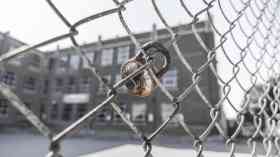
A survey by school leaders’ union NAHT has found that 51% of its members had buildings or areas that were out of use or not fit for purpose.

27/04/2026 - 09:45
Forty-four per cent of education professionals are unfamiliar with the Terrorism (Protection of Premises) Act 2025, otherwise known as Martyn’s Law, according to new research.

24/04/2026 - 12:32
A survey by Save My Exams has found that 40% of students are regularly disrupted by noise at home.

23/04/2026 - 10:13
A survey of 1,105 teachers reveals many senior leaders reporting cuts to teaching assistants (71%), support staff (49%) and teaching staff (30%).