
In November 2020 I was told I had 6 months left to live and was at risk of sudden death, due to a colloid cyst in my brain.


Using a layered security approach will help education settings delay, deter and prevent incidents. But as part of this strategy, it is key to balance security without imposing fear

Almost 80 per cent of education staff experienced mental health problems because of work last year. Robyn Quick digs into what can be done about it.

The Fire Industry Association's Jamie Gale outlines the responsibilities of premises management in maintaining, overseeing and ensuring compliance of fire detection and alarm systems
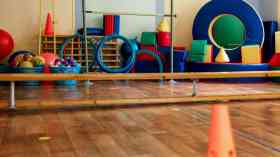
A recent report from BESA confirmed a real problem with the school estate, and uniquely, delved into every aspect of school buildings, such as the quality of PE equipment and music facilities

When it comes to making important public sector purchasing decisions, what does best practice look like? Peter Melville, chief operating officer at SWECET Multi-Academy Trust, shares his thoughts

State-funded education settings can now apply for a higher amount of funding to install electric vehicle chargepoints in their grounds – up to £2,500 per socket. We examine how the new grant works

Diversity in the workplace is intrinsic to creating a more equal and happy environment. But what can be done by school leaders to make this the norm?

Bett 2024 was packed with innovation, attracting over 30,000 of the global education community to view the latest education technology and hear from inspiring figures and education professionals

Whilst taking a student group overseas may feel like a daunting prospect, school trips abroad can have far-reaching benefits. So how can you make sure your trip runs like clockwork?

Civil engineer and Youtuber Virtue Igbokwuwe is determined to challenge stereotypes in engineering. She shares her experience and gives her views on how schools can engage girls in engineering

New research from The Food Foundation shows what it’s really like to receive free school meals from the perspective of secondary school students

There are many measures – big and small – that schools can do to reduce their carbon footprint. Adam Flint, national manager of Eco-Schools England, explains how to make a positive impact
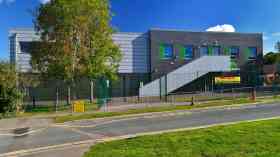
While traditional build processes are laced with hidden costs, delays and are highly disruptive – volumetric modular construction brings performance and programme certainty

Harriet Gill from charity Coram Life Education discusses the vital role effective PSHE education plays in supporting children’s mental health in primary schools

Both primary and secondary level teachers must be aware of potential harms to children online, and ensure that pupils and parents are educated about the risks, writes Mark Bentley

Technology is becoming increasingly central to education and improving computing provision within schools depends on several factors, says Becci Peters
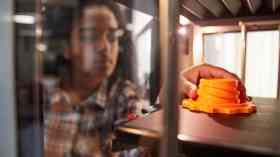
Tony Ryan, chief executive officer of the Design and Technology Association, discusses the steps we can take to rejuvenate design and technology in our schools – and why it matters

Putting the needs of learners and staff at the heart of your digital strategy will allow your school community to fully reap the rewards of education technology
Pages
Supplier Focus
Latest Supplier News

Borg & Overström is a UK manufacturer of premium drinking water solutions. For over 20 years Borg & Overström has developed sustainable, bottle-less, hygienic, drinking water dispensers with the aim to provide exceptional, safe, self-service drinking water into schools, universities, workplaces and communal spaces.